DC
By Akilan · 9 August 2026 · 2 min read
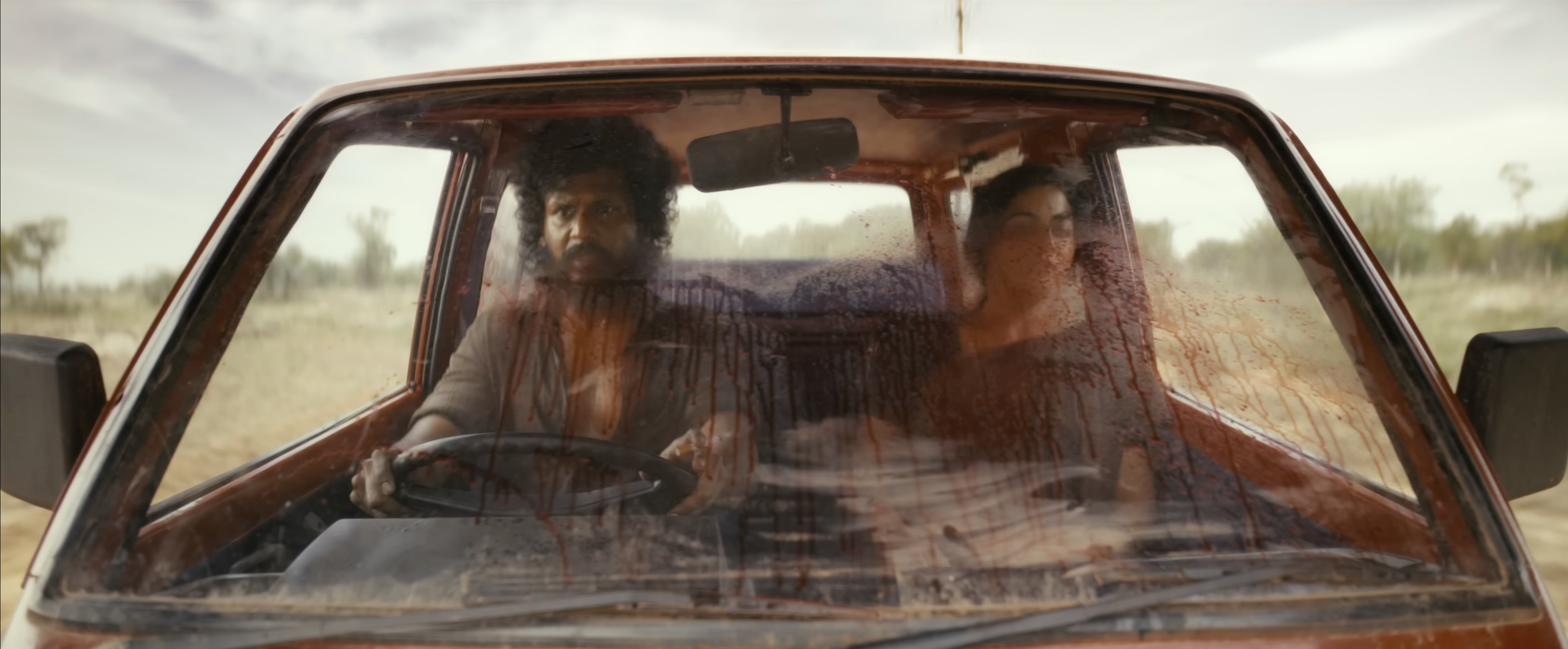
- This is a neater film from Arun Matheswaran. It’s nice to have a fun, and rather lightweight take on Devdas, just for posterity of the tale. It also happens to be a great packaging/marketing win. Setting up a new action hero while relying on the audience’s association alone can get gimmicky, but it fortunately works for the makers. Of course, the gimmick is backed by decently effective writing - not taking that away. But I couldn’t help but shake off the feeling that Lokesh’s image aided in skimming over the depth in the character.
- I still have a problem with Arun’s reliance on handheld shots. There is great imagery being produced for trailers but in the film, with a faster edit, it’s all too fluid to register alongside the seriousness of a scene. There’s momentum in the structure of the film itself, but trying to underline that again with handheld is overbearing. I’m still not able to buy into few more of his stylistic choices, like the geographical callouts that feel like choices of cinematic vanity than elements that are serving the story. Of course, liberty is a thing too, but this wouldn't feature in my taste of good film language.
- Anirudh fills the happenings with his score, it’s one piece after another. No moment for pause. His busy score tries to mask a lot of the film’s rough edges - like the unconventional casting, the lack of chemistry between the leads, repetitive flow of action setpieces, etc. He earns the film a lot of its engagement, a lot more than the emotion in the material. Das meeting Parvathy at the bar is an almost nothing-moment, both visually and emotionally, but Anirudh makes it an event with Hangova. I personally could still see through the blemishes, in spite of the relentless score. But I truly do appreciate the calculated bet on Anirudh’s work to do the heavy-lifting.
- The moment of catharsis between Devadhas and his father did not land for me. There’s very little context about Devadhas’s past that we’ve gotten until then. The dialogues in this moment are a tad too blunt and the “casual” delivery of them comes off more as pretense rather than as truths of the characters. But I’m also wondering if this nonchalance was intentional to mask the actor’s range?
- I appreciate the neatness of the two setpieces - one at the brothel and the one at police station. These sequences were absolutely designed for a rousing gallery vieweing. Lokesh moves light on his feet, Wamiqa holds a sharp gaze, and Anirudh ties it all in with eclectic fusions. These setpieces set a tone so high and pronounced, that subsequent ones - including the climax - transpire like a machine that’s run out of energy.
- One thing about the film that irked me. Exhibit A - the theatre erupts when Das chooses to unleash himself on the men at the brothel. I can assume it to be the cathartic release to some sort of anger that they felt on hearing Chandra tell her story earlier. But if they are so riled up with a woman being treated like that, why are the same men cheering at Exhibit B - when Chunnilal, in an objectifying manner, leers at Chandra? It’s embarassing to experience. I’d equally fault the makers here, for placing that line where it is now, with a peppy score backing the bit - it looked blatanty avoidable.