Guilty Minds
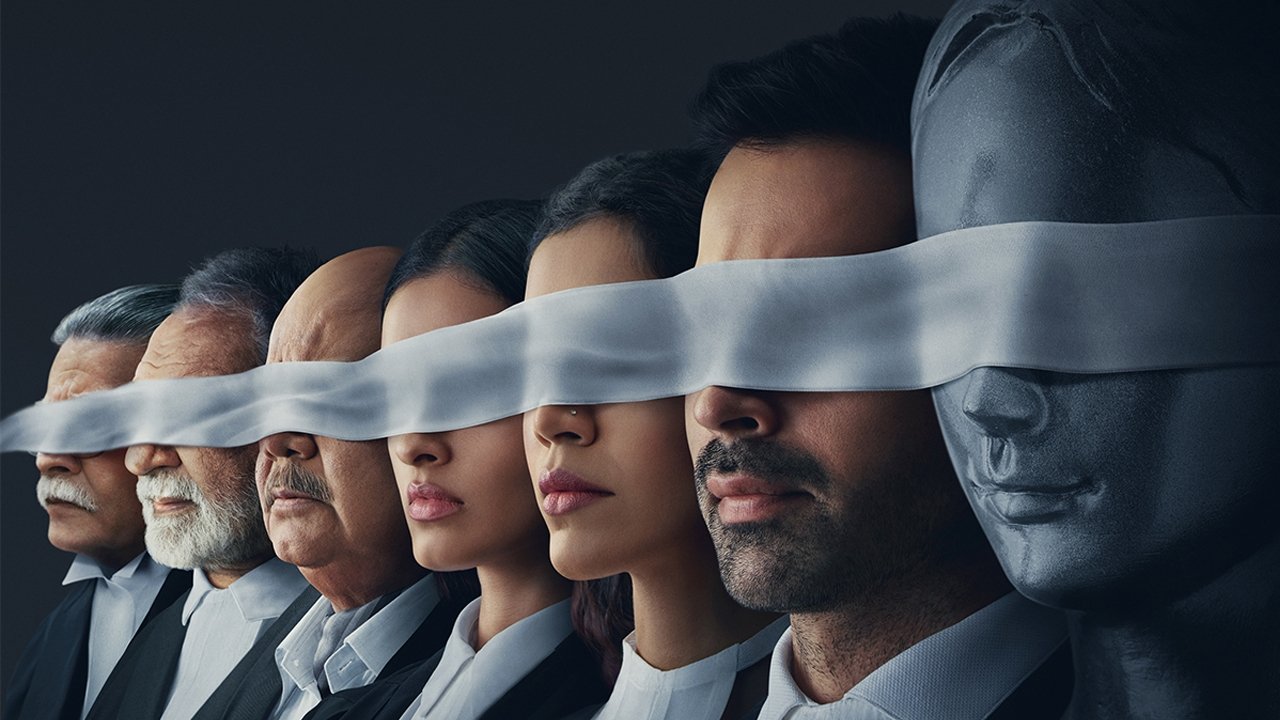
The title of this series is pretty basic for the kind of expanse it covers. It sounds like the result of a corporate decision overshadowing the creatives in the writer's room. The series traverses the length and breadth of the country through a variety of characters, settings, and issues. Sure, the subject is about the law pronouncing people guilty/innocent, but that seems like a lazy thread to pick on to title such an illustriously diverse series.
Shefali Bhushan's story does warrant the format its being told in. It's not a 3-hour film extended to a 10-episode mini-series, as popularised off late. The structure looks to explore multiple court cases, one per episode, alongside its primary character arcs. This structuring device is very similar to another of Amazon Prime's Indian originals, Made In Heaven, where each episode is focused on one wedding.
This device works so well because it allows for a lot of nuance. Most of the cases end on a middle ground, acknowledging the substantial grey area between two sides of argument. This shading is seen in the primary characters as well, with Kashaf Quaze's idealistic, poised lawyer logging heads with the more flamboyant and comparatively cold Deepak Rana. They have their own outlooks towards law and the system, and the philosophical and moral challenges they are confronted with make this an extremely engaging watch. Kashaf has to grapple with how facts can be detrimental to her morals, while Deepak has to question his morality while bending facts in his favour.
The structure also makes the courtroom sequences immersive. From logistical issues such as the electricity going off in court, or the judge snapping at the lawyers for their witnesses' language being inaccessible, or even the awkward silences while presenting artifacts, it's all in here.
Shriya Pilgaonkar gets the best-written character of the series in Kashaf, who's constantly striving to make moral choices amidst Namrata Seth
I particularly admire how we get shots lingering on characters' silences and expressions. It's quite rare to see Indian long-form content do that, because the norm has been to focus on plot, and more plot, trampling over any nuance in emotion. There's a dissonance even in this decision of capturing smaller gazes and beats, with how the cinematography is primarily handheld. It's tastefully voyeuristic in a way, but there's still a mismatch between the unshakeable feeling of being on-the-move provided by the camera, and the director's intention to pause the plot for a peak into a character's unspoken emotions. I'd still call this behaviour a win for being unconventional.